Creating a Personalized Retirement Dance Plan
As you approach retirement, many individuals find themselves searching for new activities that promote both physical health and social engagement. A personalized retirement dance plan can provide not only a fun way to stay active but also a means to connect with others in your community. In this article, we’ll explore how to create a dance plan tailored to your retirement goals.
Understanding the Benefits of Dance in Retirement
Dancing is not only a joyful expression but also an effective form of exercise. According to research from the American Council on Exercise, engaging in dance can improve balance, flexibility, and coordination, which are crucial as we age. Additionally, studies show that social dancing can significantly enhance mental well-being by reducing feelings of loneliness and depression, common issues for retirees.
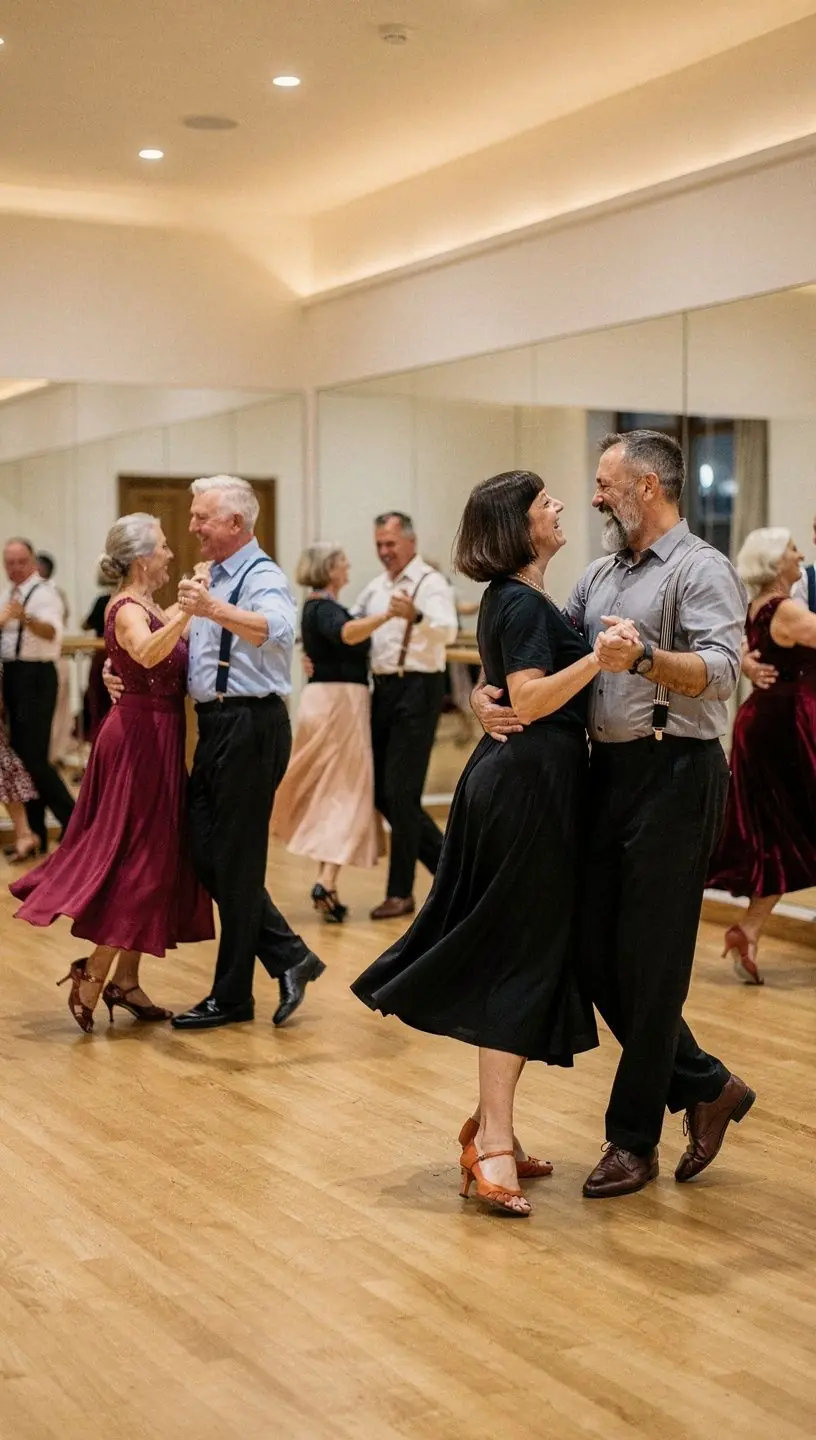
"Dancing provides a holistic approach to health, benefiting both the body and mind." - Dance Health Research Institute
Steps to Create Your Personalized Dance Plan
Creating a personalized dance plan involves several thoughtful steps:
- Assess Your Interests: Explore various dance styles such as ballroom, salsa, or line dancing. Many users report that starting with a style they are genuinely interested in makes the learning process enjoyable.
- Set Realistic Goals: Define what you want to achieve with your dance plan, whether it's improving fitness, making new friends, or simply having fun. Experts recommend setting specific, measurable goals to track your progress.
- Find Local Classes or Groups: Look for community centers or local dance studios offering classes. Participating in group classes can enhance motivation and provide a social outlet.
- Include Regular Meetups: Consider establishing regular dance meetups with friends or within your community. This commitment can foster a supportive environment and keep you engaged.
- Monitor and Adjust: As you progress, regularly evaluate your experience. Don’t hesitate to adjust your plan based on what works best for you and your lifestyle.
Time Commitment and Expectations
Developing a dance plan typically takes dedication and a commitment of 2-4 hours a week for classes and practice. While many find this a rewarding investment, it’s essential to acknowledge that there may be a learning curve, particularly if you are new to dancing. In most cases, results such as improved coordination and social connections appear over a period of a few months.
Conclusion
Creating a personalized retirement dance plan can be an incredibly fulfilling journey that promotes physical health and social connections. By assessing your interests, setting realistic goals, seeking out local resources, and committing to regular practice, you can enjoy the benefits that dance brings to your retirement lifestyle. Remember, the key is to embrace the process and celebrate the joy of movement as you engage with your community.